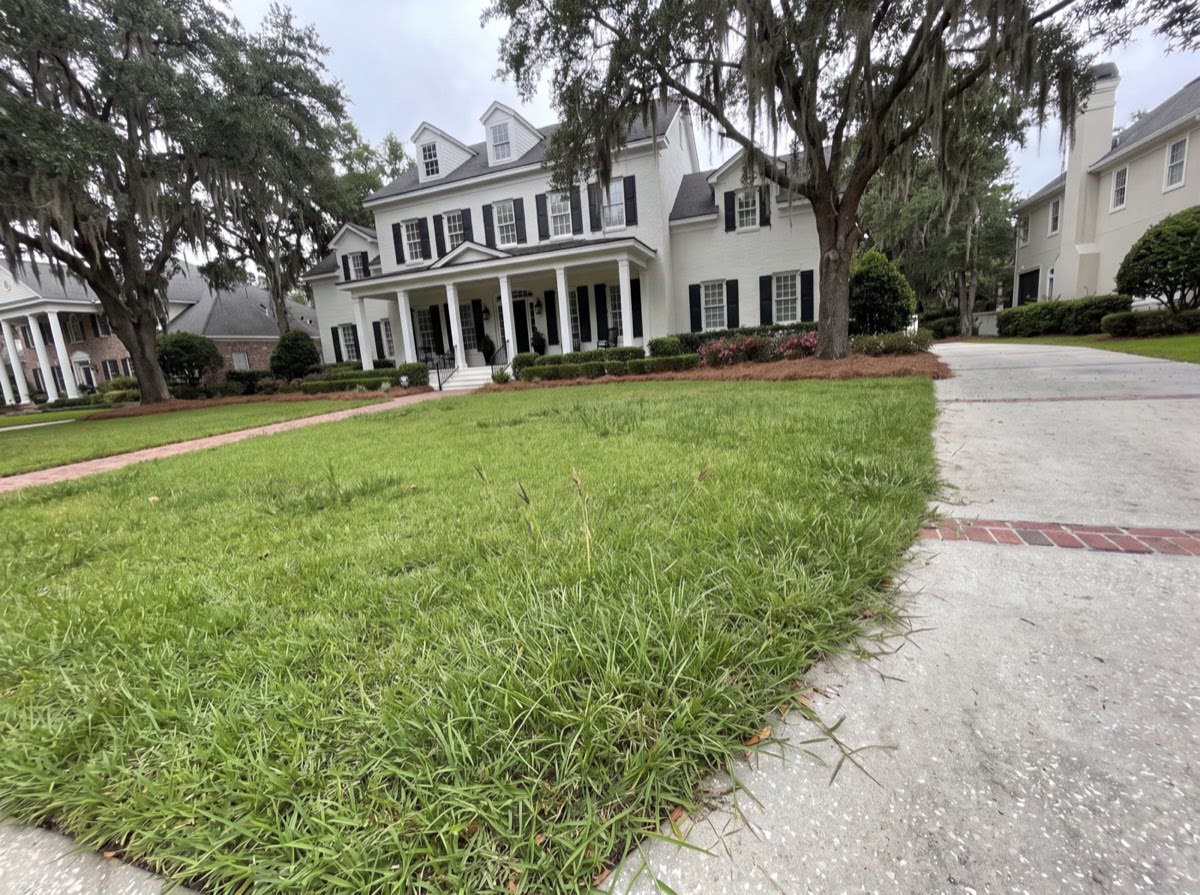
 Before
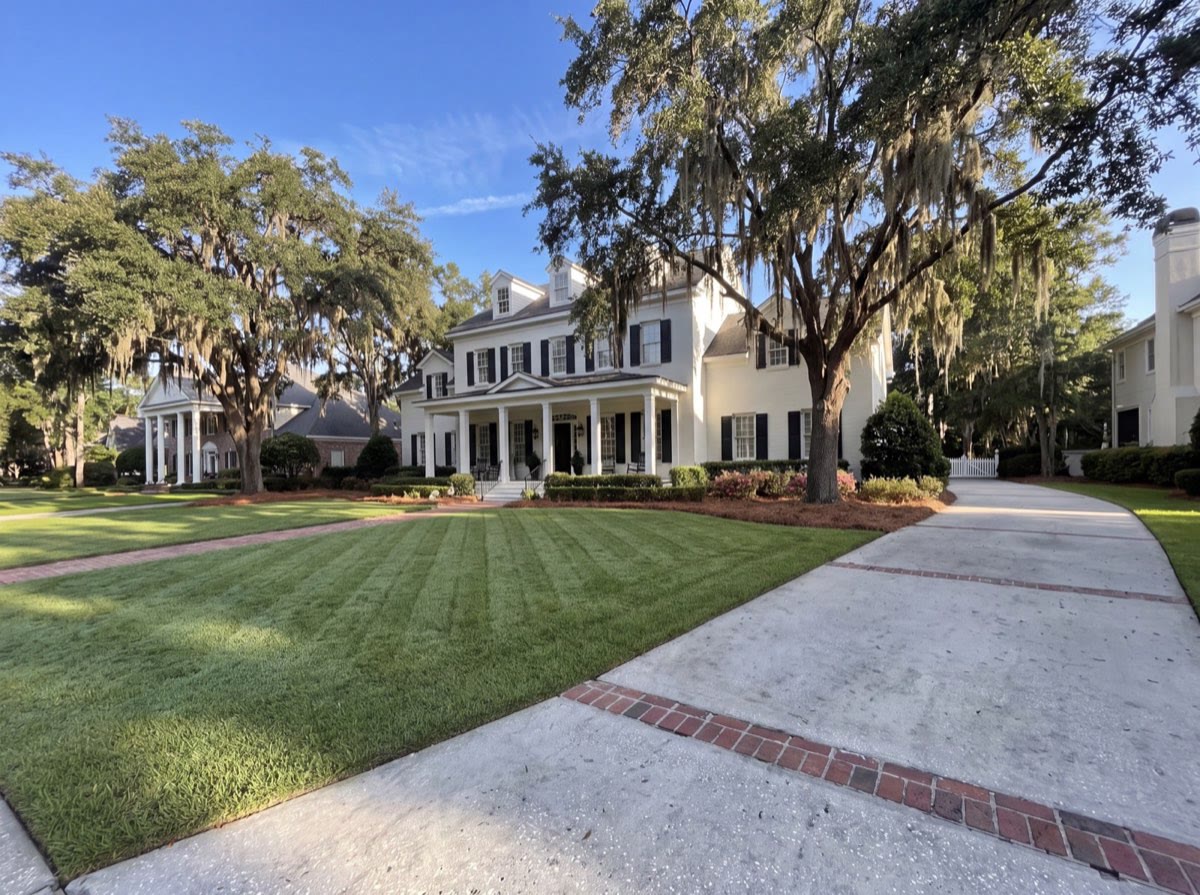
After

 CarolinaFieldstoneHardscaping & Landscaping
This is where we are based, which has a practical consequence for you rather than a sentimental one: we are already here. Shorter drive, tighter route, and the flexibility to come back the same week when something needs doing again.
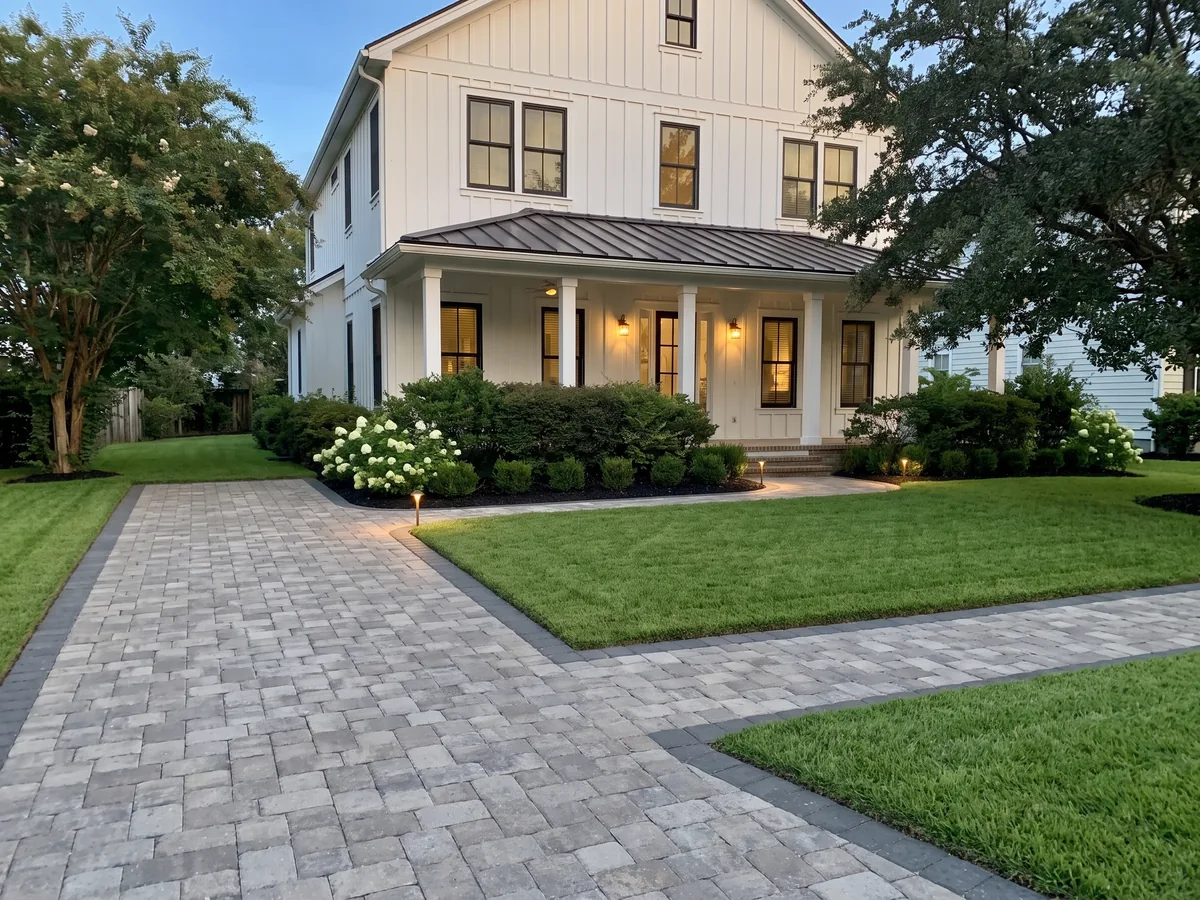
North Charleston does not have one type of property the way Mount Pleasant more or less does. Park Circle bungalows on small established lots, ranches from the sixties and seventies with real yards, and newer builds further out. Each wants a different answer.
What a lot of it shares is open sun. Less of the continuous live oak canopy that shades James Island and old West Ashley, which is good news for grass choice. In full sun bermuda and zoysia both do well, and centipede stops being the default answer just because it is cheap.
Full sun and sandy soil also means the two Lowcountry pests show up in force. Mole crickets tunnel through sandy soil and turn firm turf spongy underfoot, and they work from Charleston right down the coast. Chinch bugs go after St. Augustine and centipede every summer and leave irregular dead patches that look exactly like drought stress, which is why people water them and make it worse.
If a patch of your lawn died in July and watering it did nothing, that is worth saying when you call. It changes the diagnosis and it changes the quote.
North Charleston is its own city with its own zoning code, so the rules here are not Charleston’s. When a contractor builds a fence, the city requires a permit. A zoning inspector looks at the lot before it is issued. The plan has to show the property lines, the fence height and material, and any tree ten inches across or larger near the fence line.
Height is the rule that catches people. In the R-1, R-1A, R-2 and R-3 residential zones a front-yard fence stops at four feet. Side and rear yards can go to eight. The finished side faces out. Outside the Olde North Charleston historic and conservation districts, wood, brick, stone, wrought iron and chain link are on the city’s list of allowed materials. Plywood, sheet metal and hog wire are not.
On a corner lot the city keeps a sight triangle clear at the intersection. No fence, wall or planting between two and a half and ten feet above the curb may stand inside it, which rules out a privacy fence or a tall hedge right at the corner.
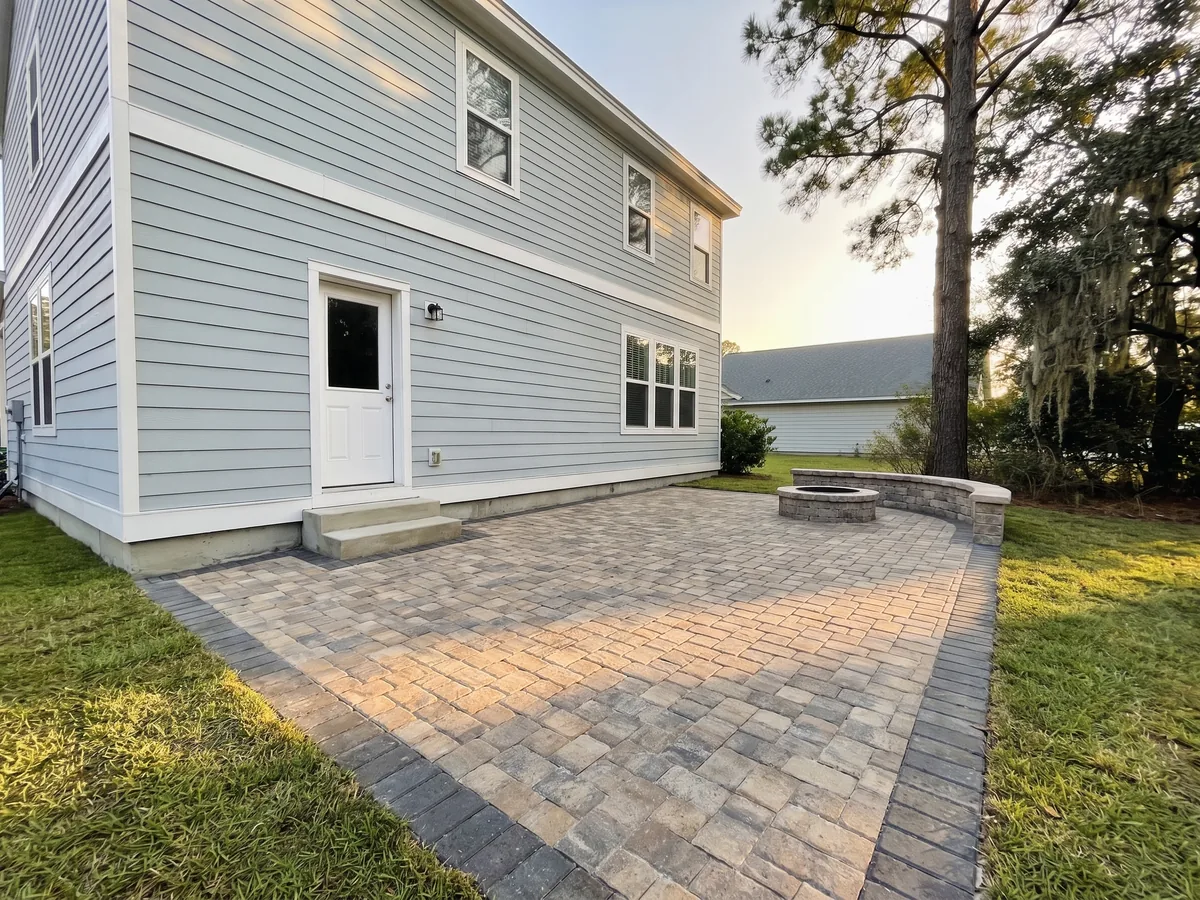
A patio or driveway brings up two things. Work in the city right-of-way or in a drainage easement the city maintains needs an encroachment permit, and the ditch or swale has to keep draining afterward. State roads need a permit from SCDOT instead. And if your neighborhood has an HOA or a civic league with an architectural review, the city asks for its approval letter with a fence permit, so we ask for it before we order materials.
Rules checked in October 2026 against: City of North Charleston fence permit · Zoning Regulations Sec. 4-7 and 4-13 · City encroachment permit. Councils and boards change them, so we confirm the current text for your address before quoting.
Before
After
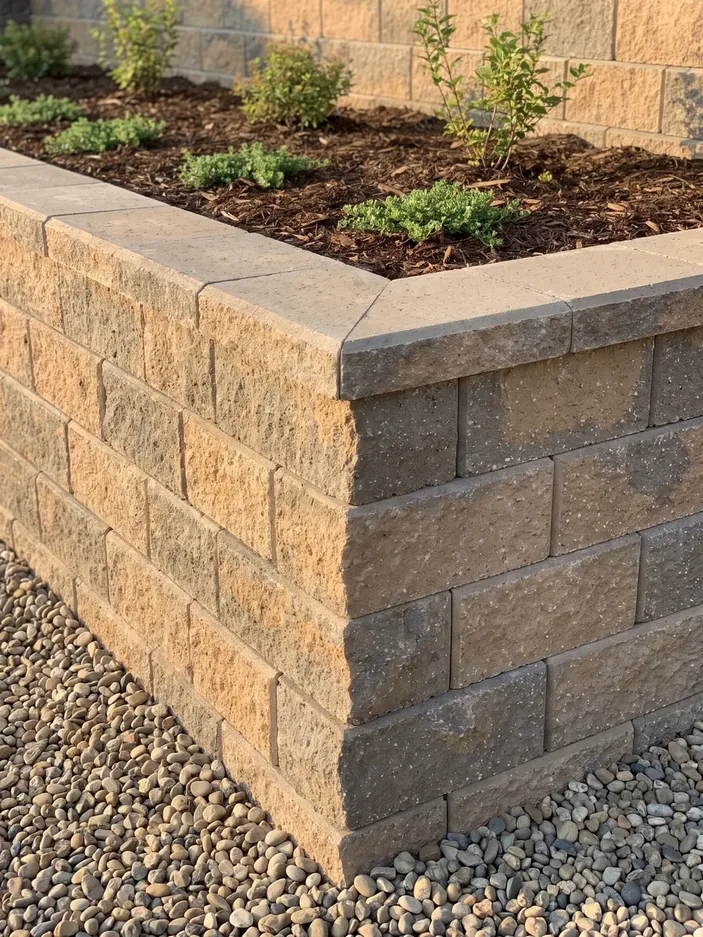
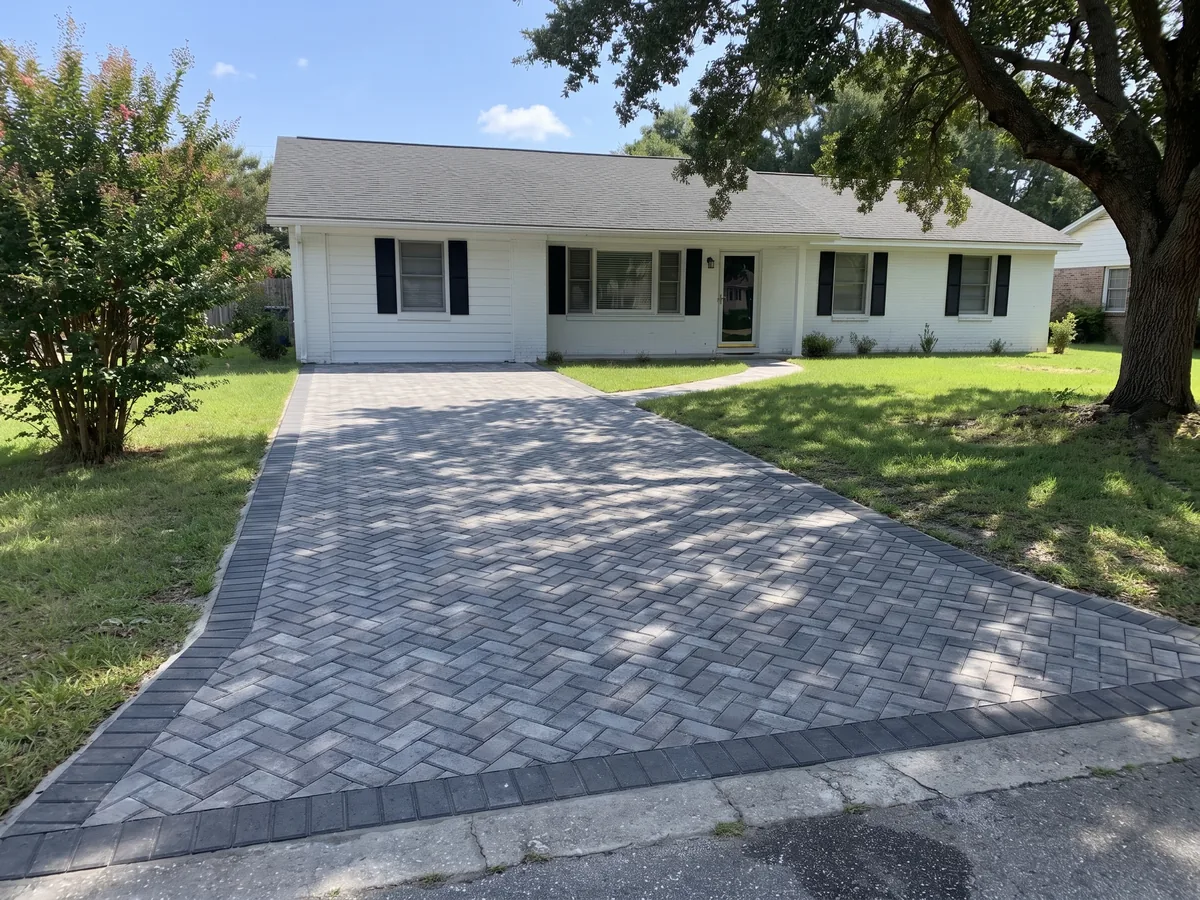
Four feet in the front yard in the R-1, R-1A, R-2 and R-3 residential zones, and eight feet along the sides and the back. On a corner lot the city also keeps the sight triangle at the intersection clear. The city’s historic and conservation districts in Olde North Charleston allow a much shorter list of fence materials, so if your house is in one we confirm what applies there before we quote.
It depends on where the work sits. Anything in the city right-of-way or a city-maintained drainage easement needs an encroachment permit, or an SCDOT permit on a state road. For a patio inside your own lot we check with the city for your address before we start, instead of guessing.
Then it probably is not drought. Chinch bugs leave irregular dead patches in St. Augustine and centipede that look identical to dry stress, and watering them makes the damage worse. Tell us when it died and how it spread and we can usually tell which it is.
Mole crickets, most likely. They tunnel through sandy soil and lift the turf off its roots. It is a pest problem, not a mowing problem, and sod laid over it just feeds them.
Effectively, yes. Drive time is real cost, and the closer and denser the route the less of it there is to cover. If we already cut on your street it shows up in your number.
You get a real figure the same day, and we will tell you what is driving it. If your property needs more than we quoted, you hear that before anyone starts, not after.
We also work in Mount Pleasant · James Island · West Ashley · Johns Island · Summerville · Daniel Island · Isle of Palms · Sullivan’s Island · Folly Beach · Kiawah Island · Downtown Charleston.