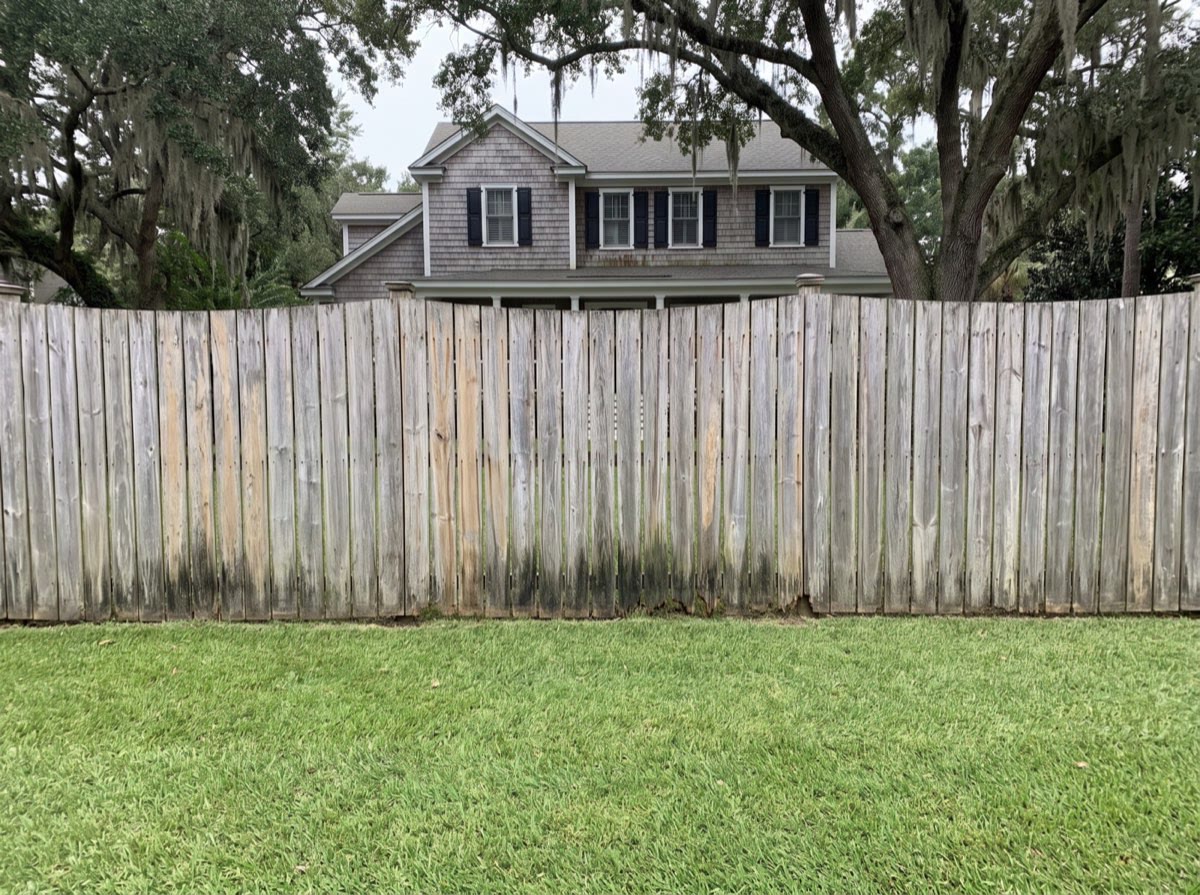
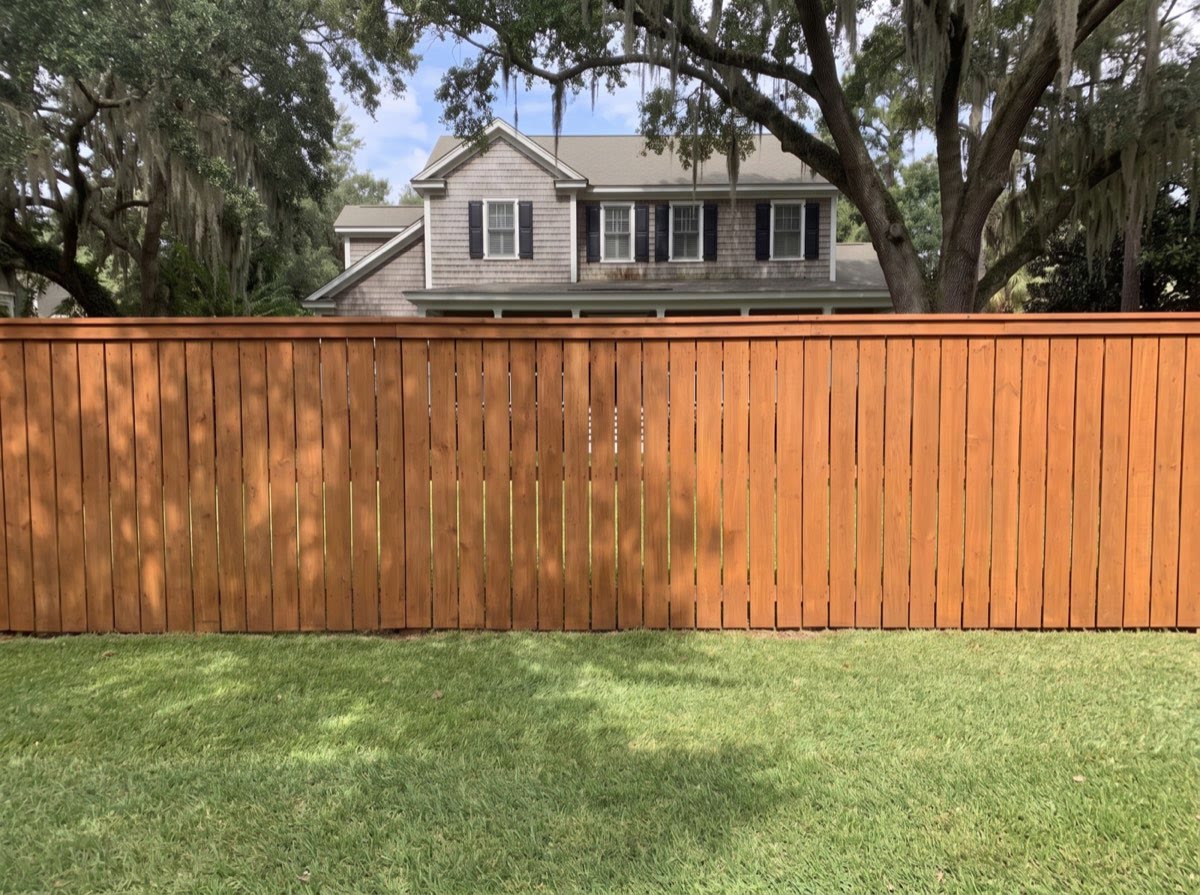
 Before
After
Before
After

 CarolinaFieldstoneHardscaping & Landscaping
We walk the line and string it before the first post goes in, set the posts to depth in concrete, and hang gates built to keep swinging true. Wood privacy, vinyl, aluminum and chain link.
We price it by the foot of run, the material and the number of gates. Send those three and the number comes back the same day, before anyone walks the line.
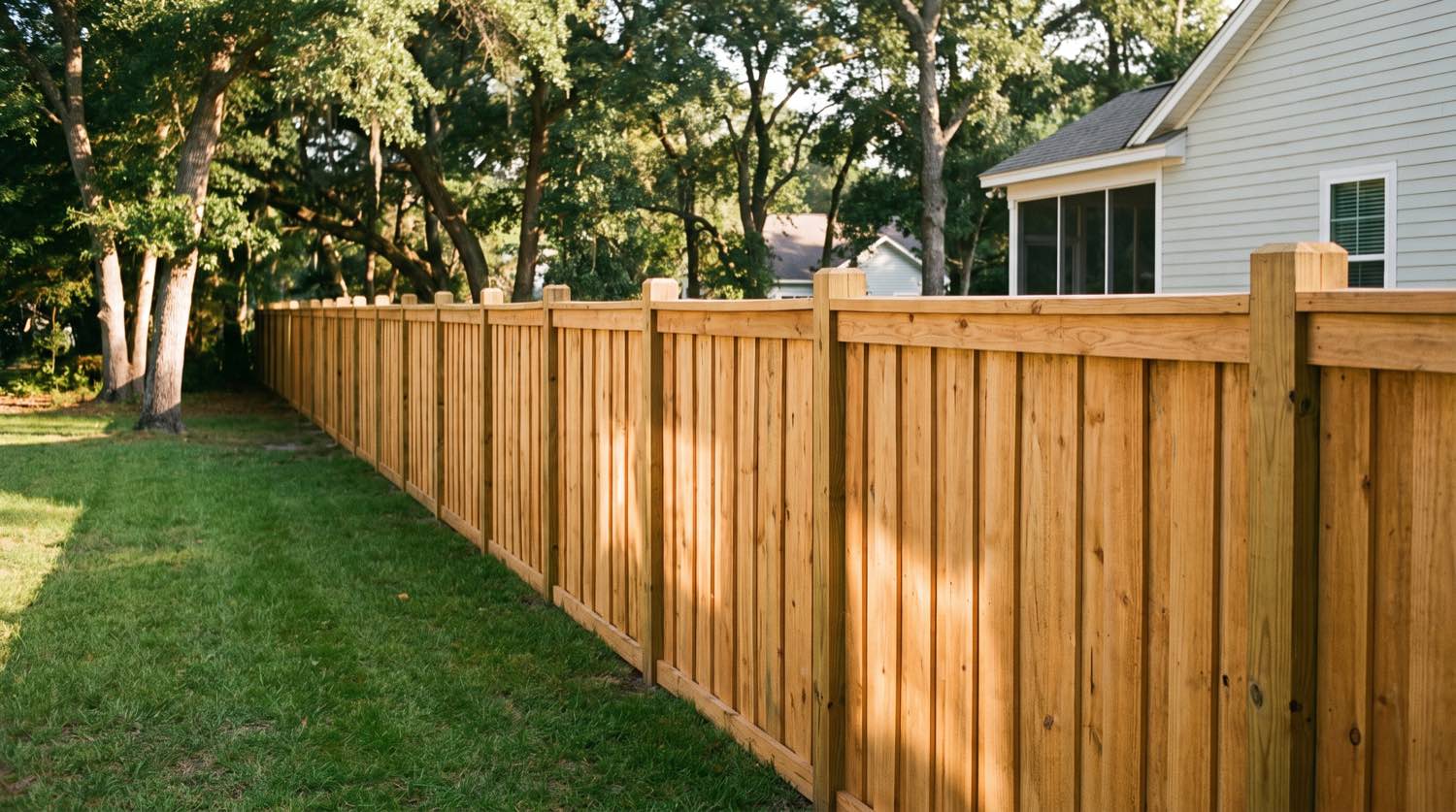
Plus a price for each gate. The material sets the range and the post spacing sets where inside it you land.
Fencing prices per foot of run plus a price per gate. Most of the labor is in the holes, so post spacing moves the number more than people expect it to.
Rock, roots and old concrete in the post line are the one thing a map cannot show us. If we hit any, you hear about it before we keep digging rather than on the invoice.
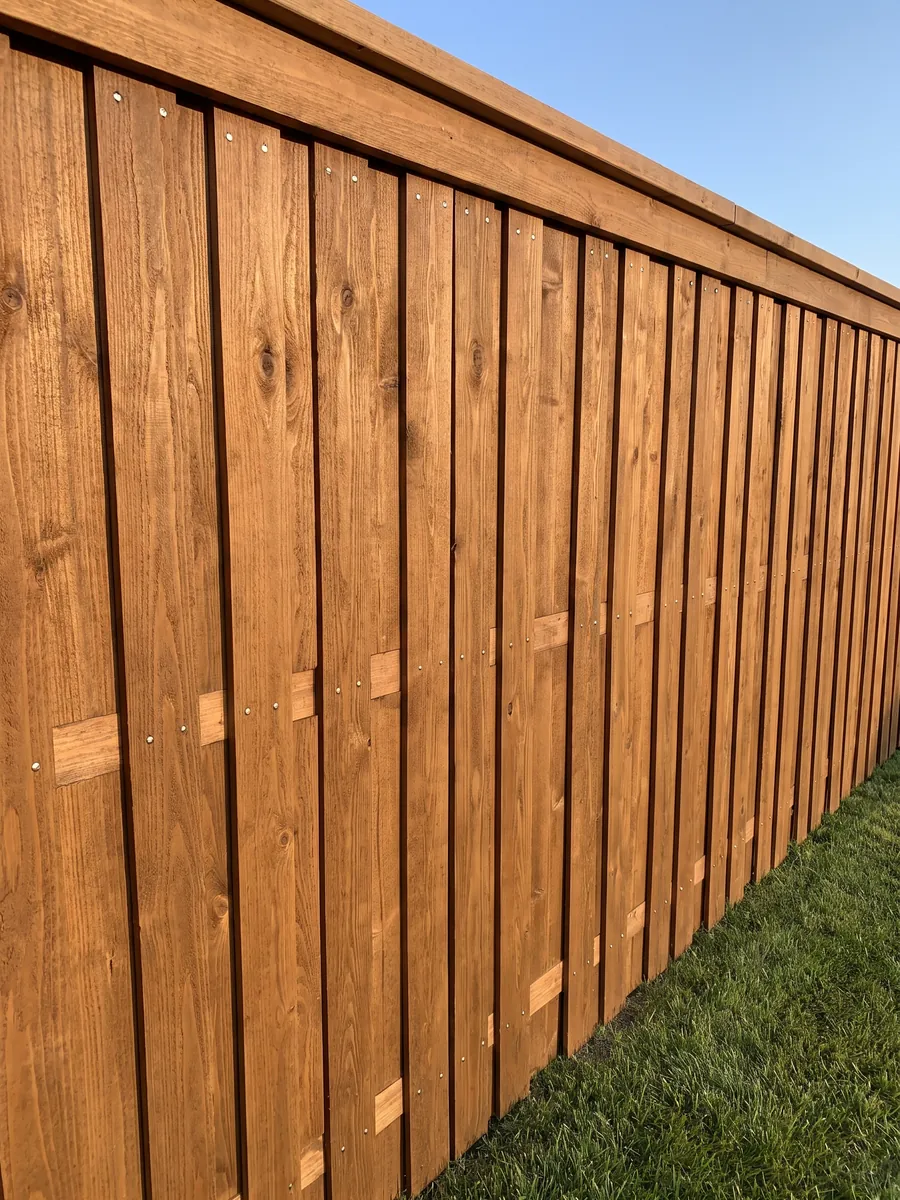
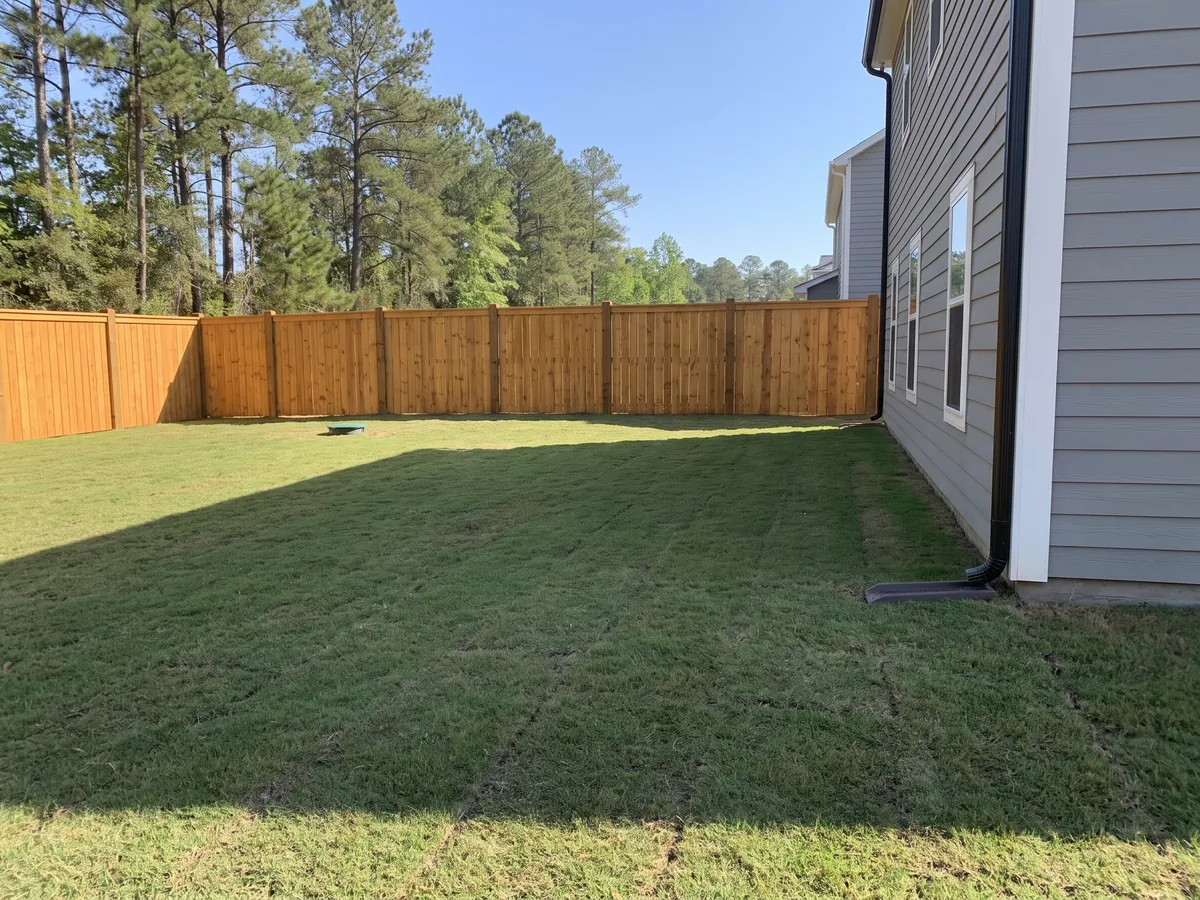
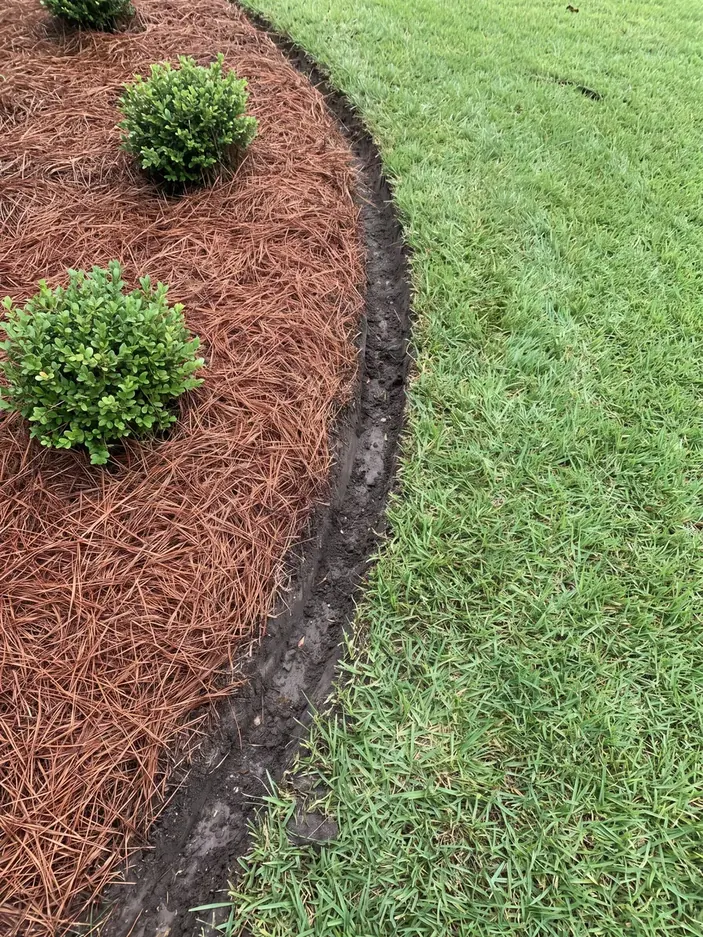 Before
After
Before
After
Inside the City of Charleston, a new fence needs a permit. The city asks for a plat showing your property lines and easements, a building permit application, and your HOA's approval if you have one. In a historic district the Board of Architectural Review looks at it too. A fence that crosses a drainage easement needs its own encroachment application, which the city says can take up to four weeks. North Charleston, Mount Pleasant, Summerville and the county each run their own rules. We check which apply to your address before we quote, so the permit sits in the schedule instead of stopping it halfway.
Most subdivisions add rules of their own. Height, material, color and which side of the fence faces out all turn up in HOA covenants across Mount Pleasant, Daniel Island and Summerville. Send the covenant with your enquiry and we build to it the first time, instead of finding out from a letter after the posts are set.
The weather here is hard on a fence. Humidity, termites and summer storms take fences down in the Lowcountry long before age does. On a wood fence the post rots first, which is why it wants to be rated for ground contact and set in concrete. A six foot privacy fence catches wind like a sail, so post depth and spacing matter more here than they would inland. Close to salt water, aluminum and vinyl outlast anything with bare steel in it.
Most residential runs are one to three days, set by the length and the number of gates. You get the number of days along with the price, before you commit to either.
It helps, and we check the line before anything is set. A fence built on a guess is a fence somebody may have to move, and that conversation costs far less before the concrete goes in.
Send a photo with your enquiry. The closest standard style sets the price and the photo sets what we build.
Deep enough that the height of the panel is not fighting them, set in concrete. Post depth is the part of a fence you never see and always feel, so it is not where we save money.
It leaves with us. Tear-out and haul-away is quoted by the foot alongside the new run, and nothing gets stacked at the curb for you to sort out.
Both, and that is usually to your advantage. Most fence contractors in Charleston set posts and leave, so the beds and the lawn the fence runs through are your problem afterwards. We put the line back the way it should be, because we do that work anyway.
Inside the City of Charleston, yes. The fence permit asks for your plat, a building permit application and HOA approval where there is one, with extra review in the historic districts. Other towns and the county set their own rules, so we check your address before we quote.
Vinyl and aluminum, because neither rots and neither minds salt air. Wood is still the most popular and looks right on most houses here, and it lasts when the posts are rated for ground contact and set in concrete. Chain link is the cheapest way to hold a line, but near salt water it shows rust years before aluminum would.
Rough length, the material you want and how many gates. That is enough for a real figure the same day, before anyone walks the line.